





PRE-ORDER
Estimated Shipping:
Late October
Place your order early to lock in the best price. Orders are fulfilled on a first-come, first-served basis.


The World’s First Ryzen AI Max+ PRO 495 AI Mini Workstation Is Coming


Desktop-Class Performance


Professional Graphics Performance


Platform Al Acceleration


Built for Local Al


Memory Built for Al


High-Speed Storage


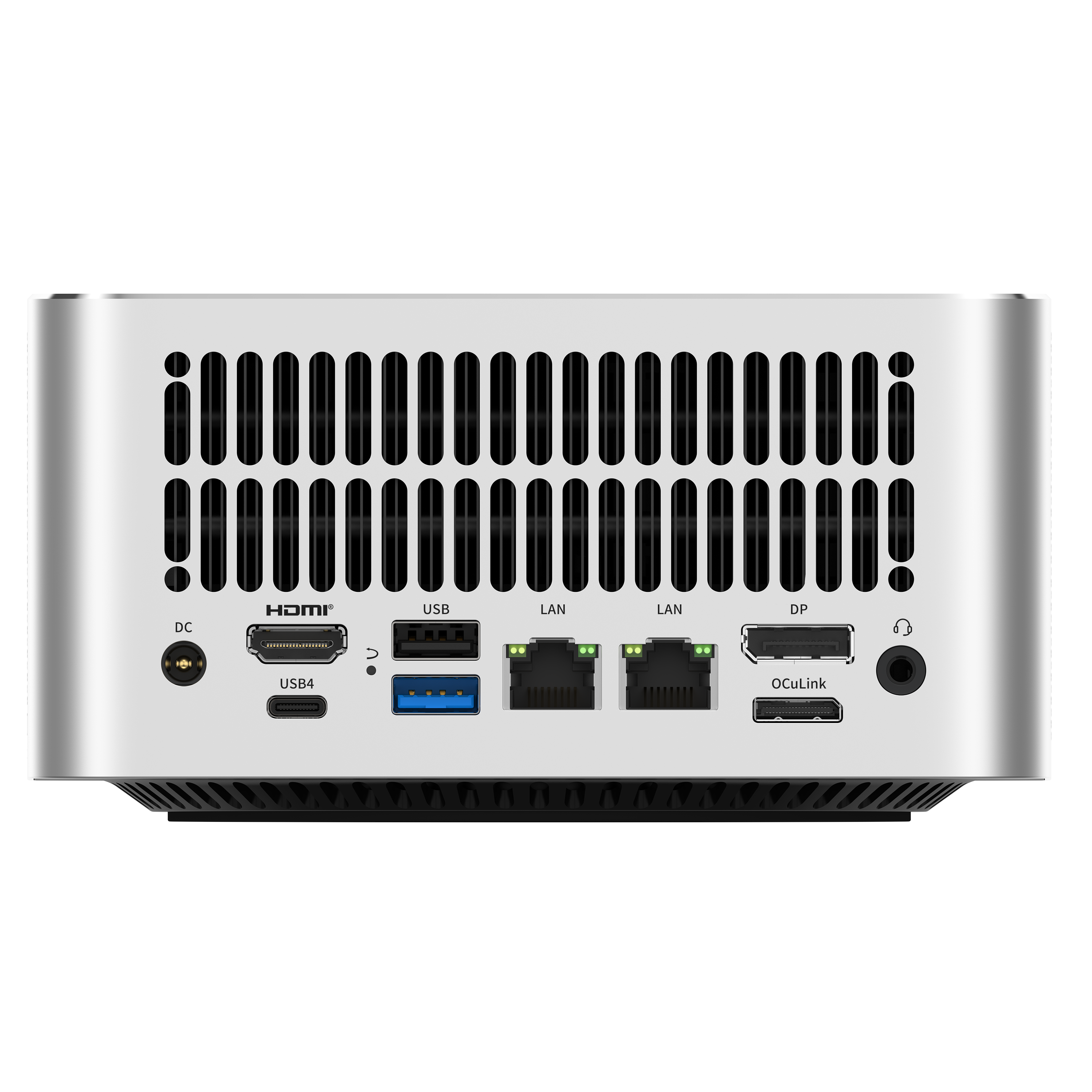
USB4 Connectivity


OCuLink Expansion


Advanced Networking


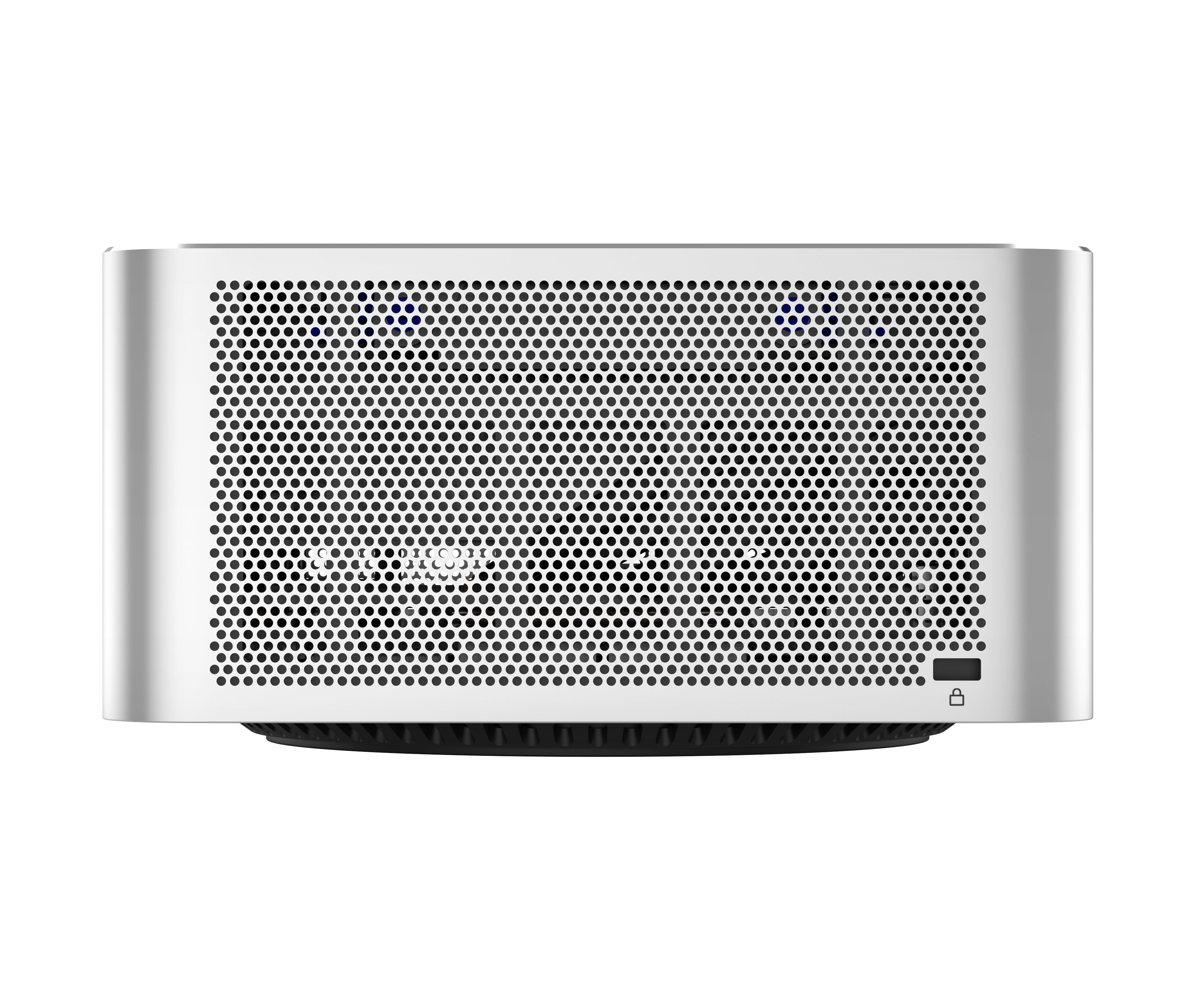
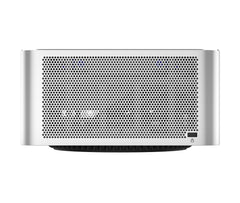
Built to Perform Longer


Multi-Display Productivity


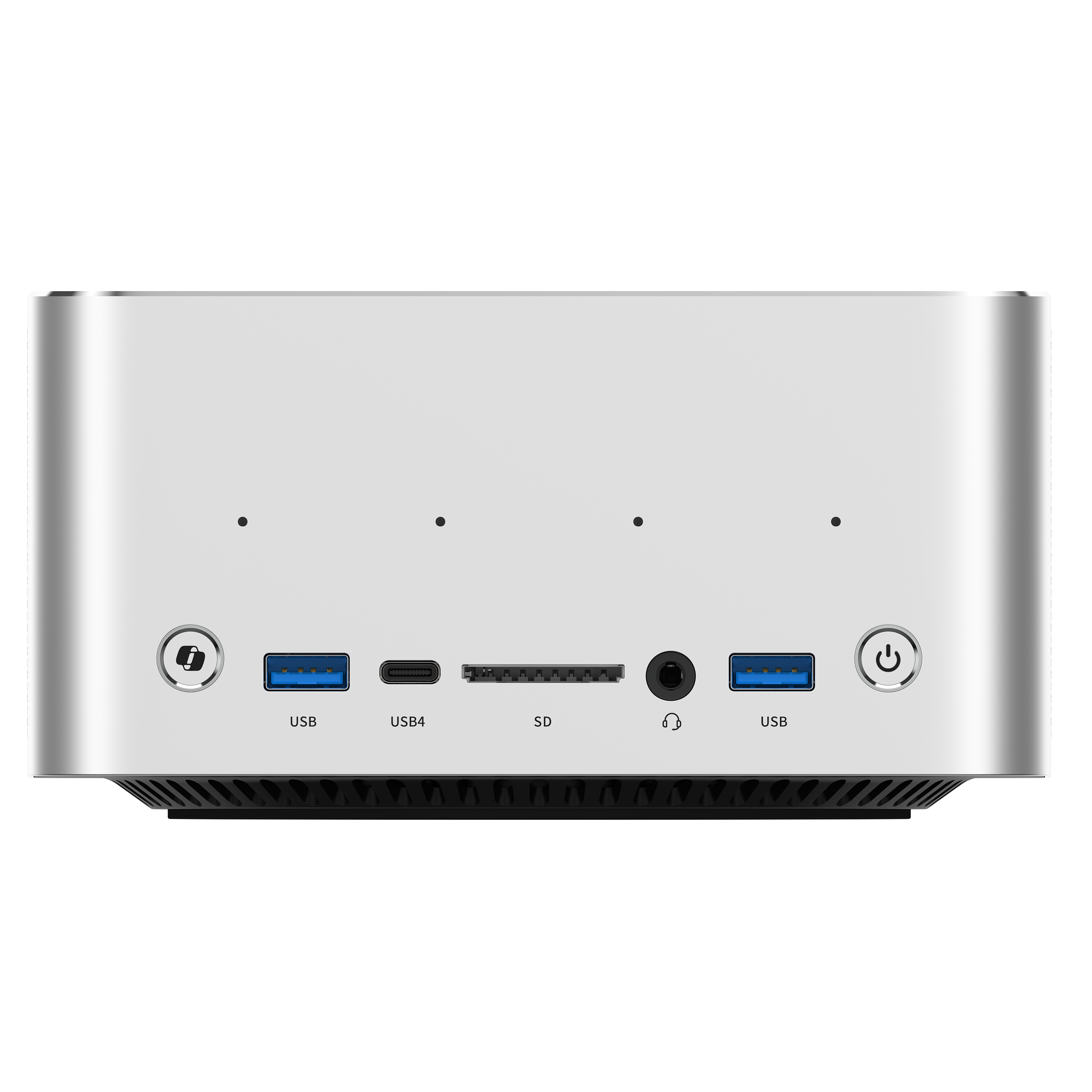
Dedicated Copilot Key


Built-in 4-Microphone Array


Ready for Everyday


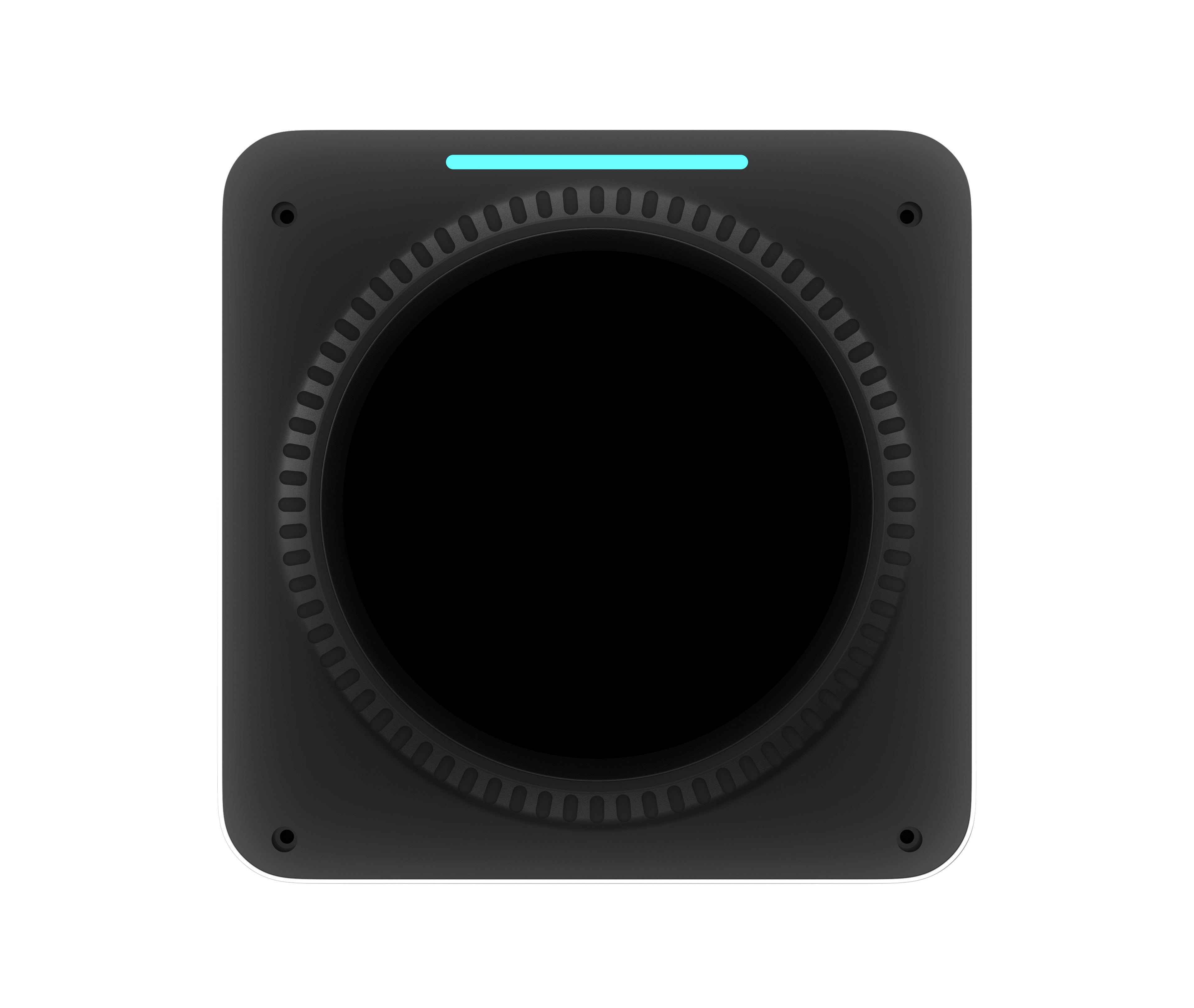
Premium Design


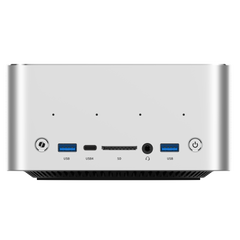
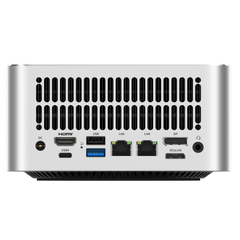
Ports Overview


WHAT'S IN THE BOX?
Frequently Asked Questions
What is the ACEMAGIC F9A with Ryzen AI Max+ PRO 495?
The F9A is a compact ~2L AI mini workstation built around AMD’s Ryzen AI Max+ PRO 495. It combines multi-core CPU performance, Radeon 8065S graphics, and an on-chip NPU for local AI—so you can run on-device assistants, content tools, and large language models without sending every request to the cloud. ACEMAGIC rates the platform at up to 131 TOPS total AI performance. A physical Copilot key is on the chassis for one-tap Windows AI workflows.
Is the 192GB PRO 495 worth it versus a 395 / 128GB Strix Halo mini PC?
Choose the PRO 495 when you need capacity: more unified memory for larger local models, longer context, multi-model setups, VMs, or heavy creative/AI multitasking. The extra RAM unlocks what fits, not a big leap in tokens-per-second—bandwidth and compute stay in the same ballpark as the 395 class. If your workloads fit comfortably in 128GB, a 395-based F9A is usually the better value; if you are hitting memory walls, the 192GB F9A is the point of the PRO 495. For a side-by-side breakdown, see our Ryzen AI Max+ 395 vs PRO 495 comparison.
What local AI and creative work is F9A with Ryzen AI Max+ PRO 495 built for?
It is aimed at local AI workstation use: LLM inference and RAG-style deskside setups, AI-assisted content generation, coding agents, and everyday Copilot-style desktop AI—plus multi-core productivity, 4K media, light creation, and casual gaming. Unified memory up to 192GB (with a large share allocatable to graphics, per AMD’s Halo-class design) is the headroom story.
What I/O makes the F9A with Ryzen AI Max+ PRO 495 different for real desk-side work?
Connectivity is the chassis differentiator: dual 2.5GbE for soft routing, NAS-style links, multi-machine LAN, or small lab/cluster setups; USB4 40Gbps (video out + up to 15W PD out) and OCuLink for high-speed external GPU / expansion; HDMI 2.1 + DisplayPort 1.4 for multi-display 4K/8K-class output; plus USB 3.2 Gen2 ports, an SD card reader, and a 3.5 mm audio jack.
That mix covers creators moving footage, eGPU expansion, and dual-LAN workstation roles in one small box.
How to install the Windows11 Pro system
How to download the driver
How to update the BIOS
- Choosing a selection results in a full page refresh.


