
What is OpenClaw? The Viral Open-Source AI Agent Explained
OpenClaw recently surpassed legacy software projects in GitHub stars, making it one of the fastest-growing open-source repositories in recent history. Instead of just generating text, this framework turns large language models (LLMs) into autonomous digital agents capable of executing system-level operations.

What is OpenClaw?
OpenClaw is an open-source AI agent framework designed to give LLMs direct control over computer operating systems. You assign a high-level goal, and the framework breaks down the steps, interacts directly with your desktop environment, and checks its own work without needing you to click or type.
Beyond Chatbots: System-Level Control
Standard AI interfaces require users to manually copy, paste, and execute text outputs. OpenClaw bypasses this by establishing direct read-and-write integrations with local directories and command-line interfaces.
| Feature | Web-based LLM (e.g., ChatGPT) | OpenClaw AI Agent |
| Output Type | Generates text or code blocks | Executes code and operates UI elements |
| Autonomy | Terminates after a single prompt | Operates in continuous loops until task completion |
| System Access | Sandboxed within a browser tab | Full read/write access to local system drives |
| Error Handling | Requires human intervention to debug | Self-corrects by reading terminal error logs |
Why is OpenClaw Breaking the Internet?
OpenClaw’s rapid growth comes down to two things: it successfully automates complex engineering tasks, and it is backed by a highly engaged open-source community.
Record GitHub Stars and OpenAI Recruitment
The framework proved that single developers could match the output of multi-person teams. Project creator Peter Steinberger used OpenClaw to autonomously generate over 90,000 code commits in a single year. Following this milestone, OpenAI recruited Steinberger, driving a massive wave of enterprise attention to the repository.
Community Adoption and the "Molty" Mascot
Within technical forums like r/LocalLLaMA and r/OpenAI, deploying this agent is known as "raising a lobster," a nod to the project's mascot, Molty. This inside joke helped lower the barrier to entry, pushing non-developers to try configuring the framework for their own local automation tasks.
How Does OpenClaw Work?
OpenClaw replaces manual computer interaction with an automated loop driven by the underlying LLM.
Autonomous Planning and Execution
The agent operates through a strict five-step cycle:
- Intent Parsing: The system processes your command (e.g., "Convert the new video file in the downloads directory to an MP3").
- Action Generation: The framework writes the required Python or shell scripting to do the job.
- System Execution: OpenClaw runs the script using your local operating system permissions.
- Result Verification: The agent reads the terminal output to confirm the script worked.
- Self-Correction: If the script fails, the agent reads the error log, rewrites the code, and tries again.
Remote Execution and API Integration
You aren't tied to a physical keyboard to use it. The framework supports API integration with Telegram, Discord, and WhatsApp. You can text a command to your home workstation from your phone, and the local agent will execute it and reply with a confirmation.
Top Use Cases: Practical Applications of OpenClaw
OpenClaw cuts down repetitive screen time across multiple industries by handling multi-step processes on its own.
Automated Coding and Version Control
Software engineers integrate OpenClaw directly into GitHub repositories. The agent reads incoming bug reports, writes the necessary code fixes, runs local test suites, and pushes the final commits entirely unsupervised.
Autonomous Administrative Operations
System administrators deploy the framework to manage complex file systems. The agent can scan unorganized folders, identify specific file types by checking their headers, and automatically rename, sort, and archive gigabytes of data into structured directories in seconds.
The Dark Side: Security Risks and the API Billing Nightmare
Running OpenClaw via cloud-based AI infrastructure (such as Anthropic or OpenAI) may introduces critical vulnerabilities, including severe financial risks and potential data leaks.
The $82,000 Wake-Up Call: A Start-up's 48-Hour Disaster
Because autonomous agents operate in continuous, self-prompting loops, they consume API tokens at a massive scale. A single logical error or a compromised API key can bankrupt a small business.
Recently, a developer operating under the handle RatonVaquero shared a critical incident involving his three-person Mexican startup. After their Gemini API key was compromised, their standard $180 monthly bill skyrocketed to $82,314.44 in exactly 48 hours—a 46,000% cost increase. Because agents run unsupervised on pay-per-token cloud networks, a hijacked credential results in infinite, automated API requests.

The Danger of Cloud AI System Access
To function, OpenClaw requires high-level operating system permissions. Connecting a local workstation—especially one holding proprietary code or client records—to a cloud-based API creates a direct attack vector. If a bad actor intercepts the API connection or breaches the cloud provider, they gain direct remote access to your physical hardware.

The Future: Why Local Deployment is the Only Safe Strategy
To mitigate the threats of catastrophic API bills and external data breaches, developers are shifting entirely to local deployment using open-source models like Llama 3 or DeepSeek.
Zero API Costs and Total Privacy
Executing OpenClaw locally cuts variable cloud computing expenses to zero; the only cost is your hardware electricity. Furthermore, because the LLM processes all data directly on your local motherboard without sending packets to external servers, privacy breaches are structurally impossible.
Hardware Requirements for a Dedicated AI Server
Running an AI agent in the background of your primary laptop is not practical. It consumes massive system resources, causes thermal throttling, and halts all automation the moment your system goes to sleep.
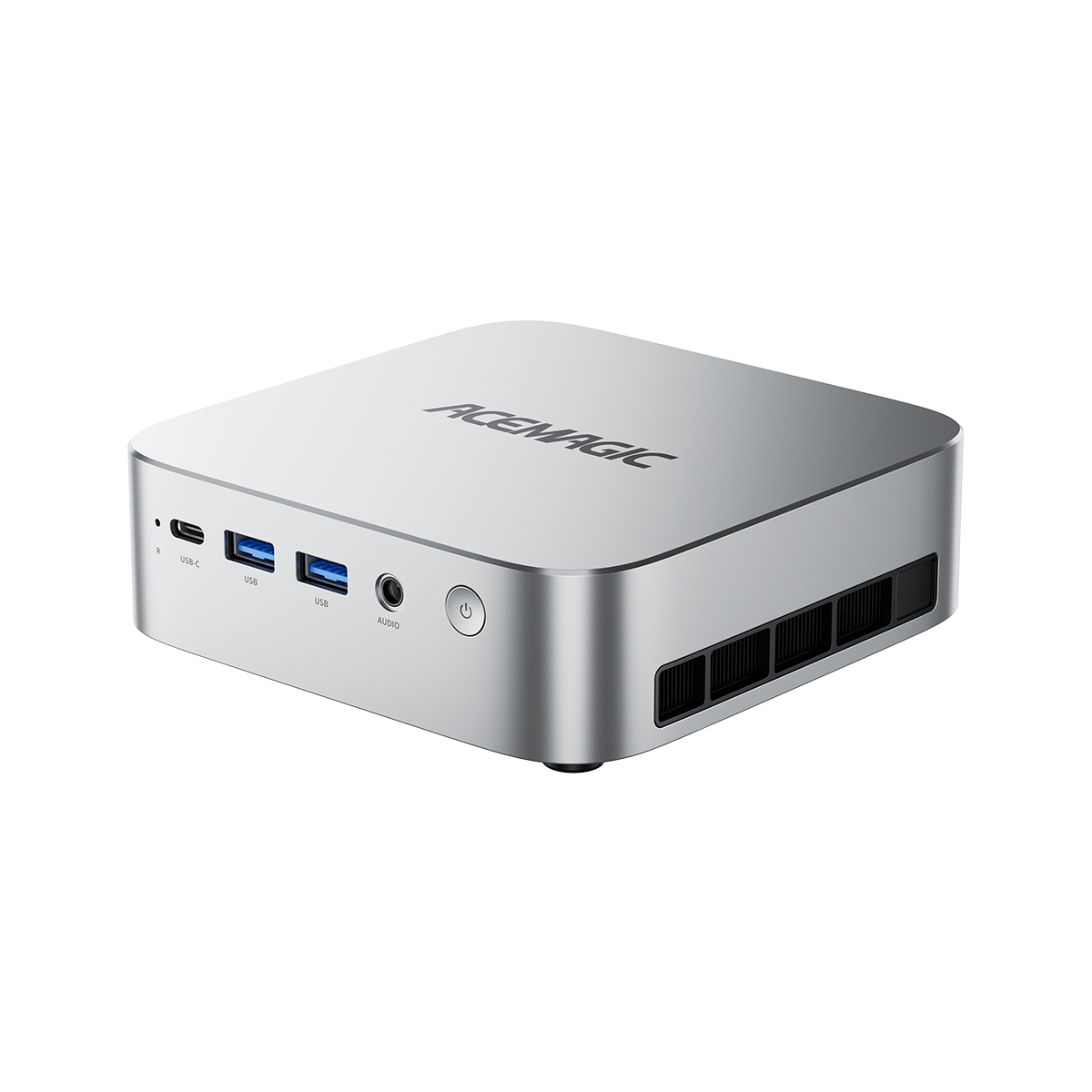
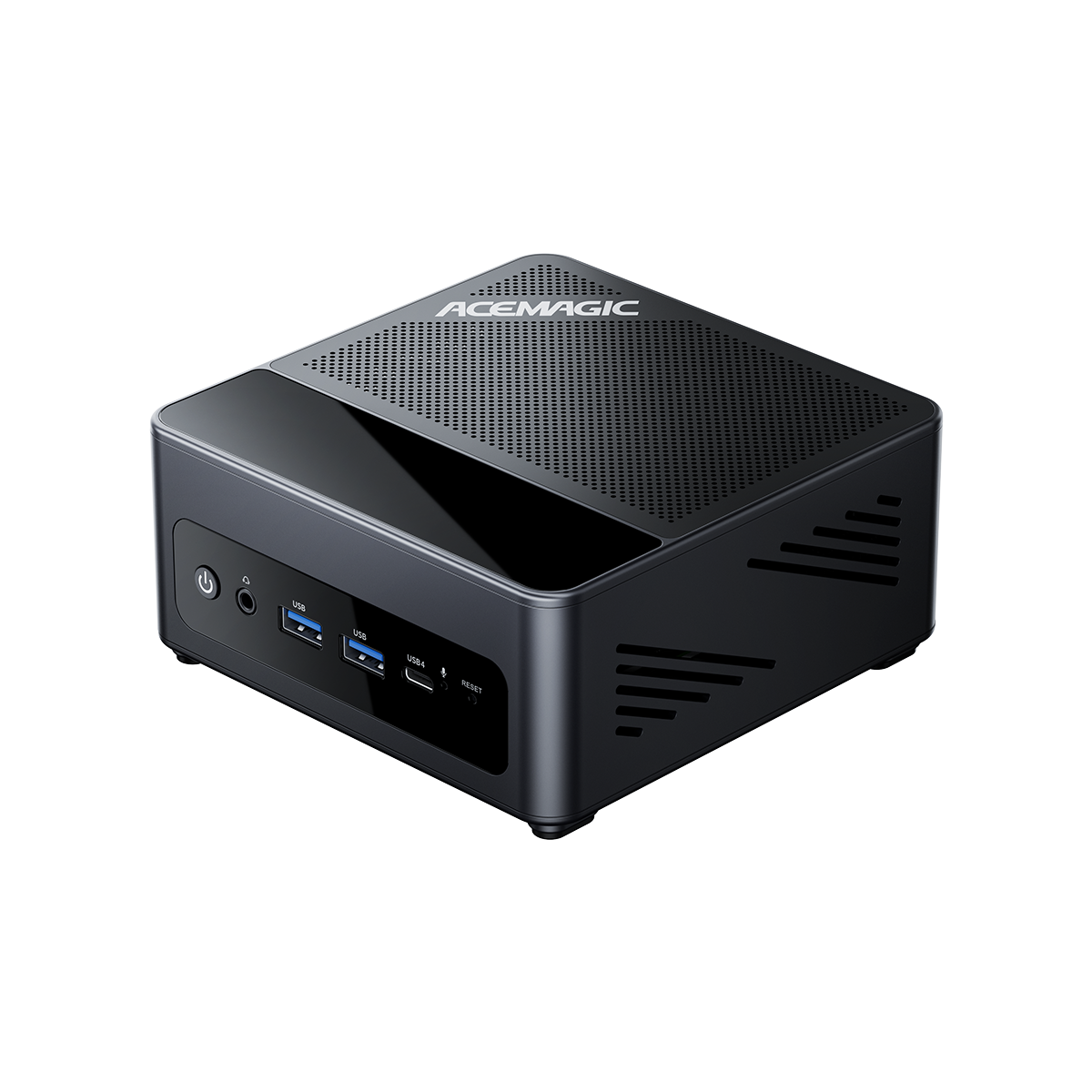
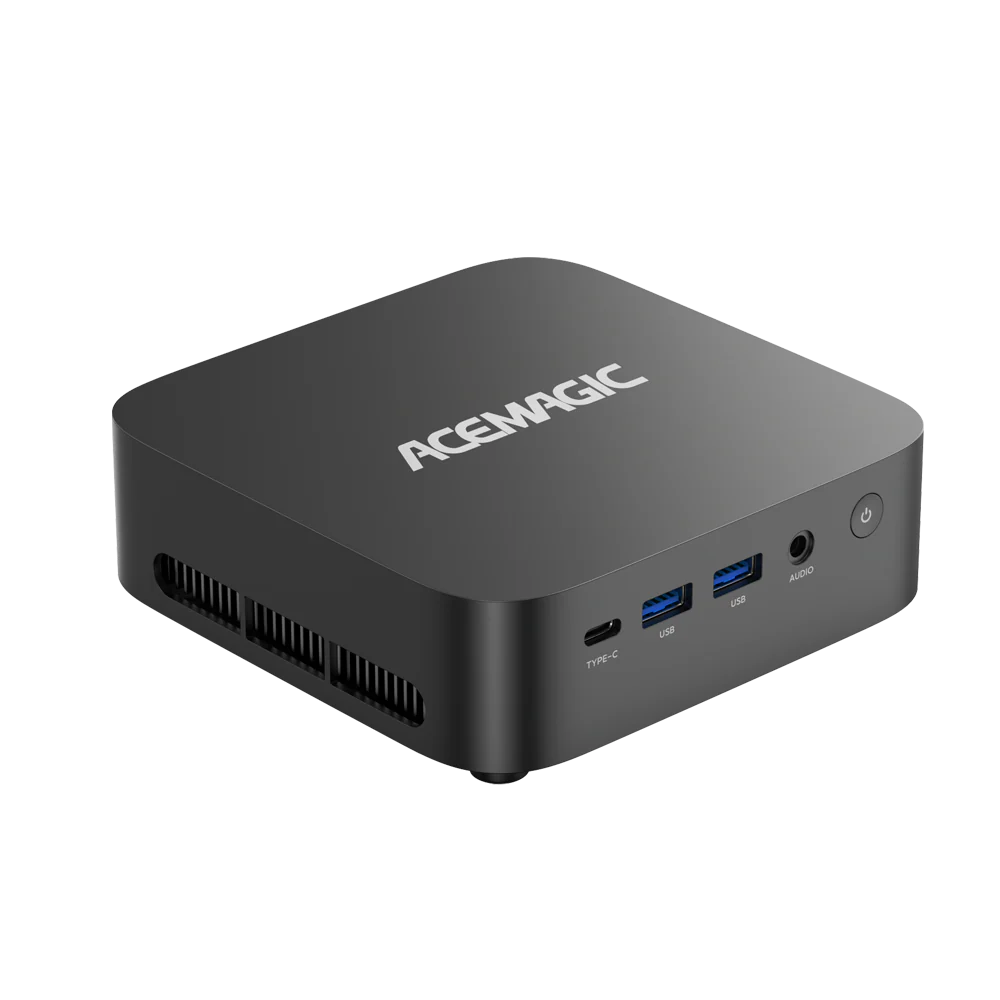
Because of this, the standard practice is to offload the agent to a dedicated machine. Handling continuous AI inference at low wattage requires specific hardware, ideally a system with at least 32GB of RAM and a dedicated Neural Processing Unit (NPU).
If you want to set up an always-on local agent without burning out your main computer or paying cloud fees, we have compiled a breakdown of the specific hardware required.
👉 Read our guide on [The Best Mini PCs and Hardware Setup for Running OpenClaw Locally] to see which NPU-equipped systems handle this framework best.
How to Install and Set Up OpenClaw
Once you have your hardware sorted, the next step is actually getting the agent running.
Because the initial setup requires some basic command-line navigation (like installing Node.js and other dependencies) and configuring your local models, we’ve put together a dedicated tutorial. This will walk you through the entire process of deploying your local agent securely and efficiently.
👉 Read the full tutorial here: [OpenClaw Installation and Set Up Guide]
FAQ
Is OpenClaw free to use?
The OpenClaw framework itself is free and open-source. Running it via commercial cloud APIs (like GPT-4) incurs token-based usage fees. Deploying it locally with open-source models eliminates all software costs.
Does operating OpenClaw require programming knowledge?
Initial setup requires basic command-line navigation (installing Node.js and dependencies). However, the developer community is actively shipping graphical user interfaces (GUIs) to remove the command-line requirement.
Is OpenClaw compatible with Windows, macOS, and Linux?
Yes. OpenClaw operates cross-platform. Certain file execution commands may require manual adjustment depending on your operating system's specific security protocols.
What is the significance of the red lobster mascot?
The mascot, "Molty," started as an internal developer joke and has since become the primary visual identifier for the framework across GitHub and Reddit.
Can OpenClaw securely handle system passwords and financial data?
Cybersecurity professionals strictly advise against deploying OpenClaw on systems housing sensitive data if the agent utilizes cloud-based APIs. High-security environments require local deployment.
What are the minimum memory requirements for local execution?
Operating the framework alongside a local LLM requires an absolute minimum of 16GB of RAM. For stable, continuous agent operations, 32GB of RAM coupled with a dedicated NPU is the recommended baseline.
Which language models are compatible with OpenClaw?
OpenClaw is model-agnostic. It works with commercial APIs like Claude 3.5 and GPT-4o, as well as optimized open-source models built for local execution, such as DeepSeek and Llama 3.
How did an AI agent generate an $82,000 API bill?
Agents operate via autonomous, repetitive loops. When a startup's API credential was compromised, automated external scripts initiated thousands of maximum-token requests per minute, accumulating an $82,314 bill in 48 hours. This serves as a warning against unsupervised, cloud-based agent deployment.