
OCuLink vs USB4: Which eGPU Connection is Better for Mini PCs?
Mini PC processors provide sufficient computing power for daily tasks, but users running 3D games or local AI workloads often require an external GPU (eGPU). Connecting a desktop graphics card to a Mini PC requires a high-bandwidth port.

USB4 provides a single-cable connection for multiple device types, while OCuLink provides lower latency and higher frame rates for eGPUs. This article compares the hardware data of both protocols and explains how to set up an OCuLink connection.
Bandwidth and Performance Differences Explained
USB4 operates at a maximum bandwidth of 40Gbps. When used for an eGPU, the PCIe signal from the graphics card is converted into a USB data packet, transmitted through the cable, and converted back by the host device. This conversion process creates protocol overhead. Users typically observe a 15% to 30% reduction in game frame rates, particularly in titles that require high texture bandwidth, compared to plugging the GPU directly into a motherboard.
OCuLink utilizes a direct PCIe 4.0 x4 connection. It transfers data at 64Gbps (8 GB/s). There is no signal conversion. The Mini PC processor communicates with the graphics card directly. Because the signal is not repackaged, the performance loss in gaming is generally between 5% and 10% compared to a desktop PCIe x16 slot.
The Downsides of an OCuLink Setup
USB4 eGPUs are usually sold as single, enclosed units. An OCuLink setup requires purchasing and assembling separate components. Users must buy the graphics card, an OCuLink adapter board, and a standard ATX or SFX power supply.
Because the power supply and adapter board are separate, the setup occupies more desk space and leaves multiple cables exposed.
Additionally, USB4 supports hot-swapping, allowing users to disconnect the eGPU while the computer is running. OCuLink does not support hot-swapping. Disconnecting an OCuLink cable while the system is powered on will cause the computer to crash. Users must shut down the Mini PC before connecting or disconnecting the hardware.
How to Choose the Right Connection
USB4 is suitable for users who move their Mini PC frequently. It requires one cable to connect the eGPU and often provides power to the host device simultaneously. It provides enough bandwidth for video editing, where VRAM transfer speeds are less critical than in gaming.
OCuLink is necessary for users building a permanent desk setup. It provides the bandwidth required for running games at 1440p or 4K resolution. It is also required for local AI model inference, which relies on fast data transfer between the system RAM and the GPU VRAM.
OCuLink eGPU Hardware Setup Steps:
- Power Down the Mini PC: Before making any hardware connections, turn off your ACEMAGIC Mini PC completely. Unplug the power cable to eliminate residual current and protect internal components.
- Locate the OCuLink Port: Find the OCuLink port on the back or side of your Mini PC. It's typically labeled and positioned near other I/O ports or PCIe expansion areas.
- Connect the OCuLink Cable:
- Plug the SFF-8611 end into your external device (e.g., eGPU enclosure or NVMe dock).
- Plug the SFF-8612 end into the Mini PC's OCuLink port.
- Ensure both ends are firmly seated—OCuLink connectors can be sensitive to loose fits.
- Power On the External Device First: Turn on your eGPU or NVMe enclosure before powering up the Mini PC. This ensures the system detects the external PCIe device during boot.
- Boot Up the Mini PC: Reconnect the power and start your Mini PC. Windows should automatically recognize the external device. If not, check BIOS settings for PCIe recognition or update your drivers.
For a visual demonstration of the hardware assembly and software configuration, watch the following step-by-step video guide.
ACEMAGIC Mini PCs with Built-in OCuLink Ports
Users sometimes attempt to add OCuLink to standard Mini PCs by removing the bottom case and installing an adapter into an M.2 SSD slot. This leaves internal components exposed to dust and physical damage.
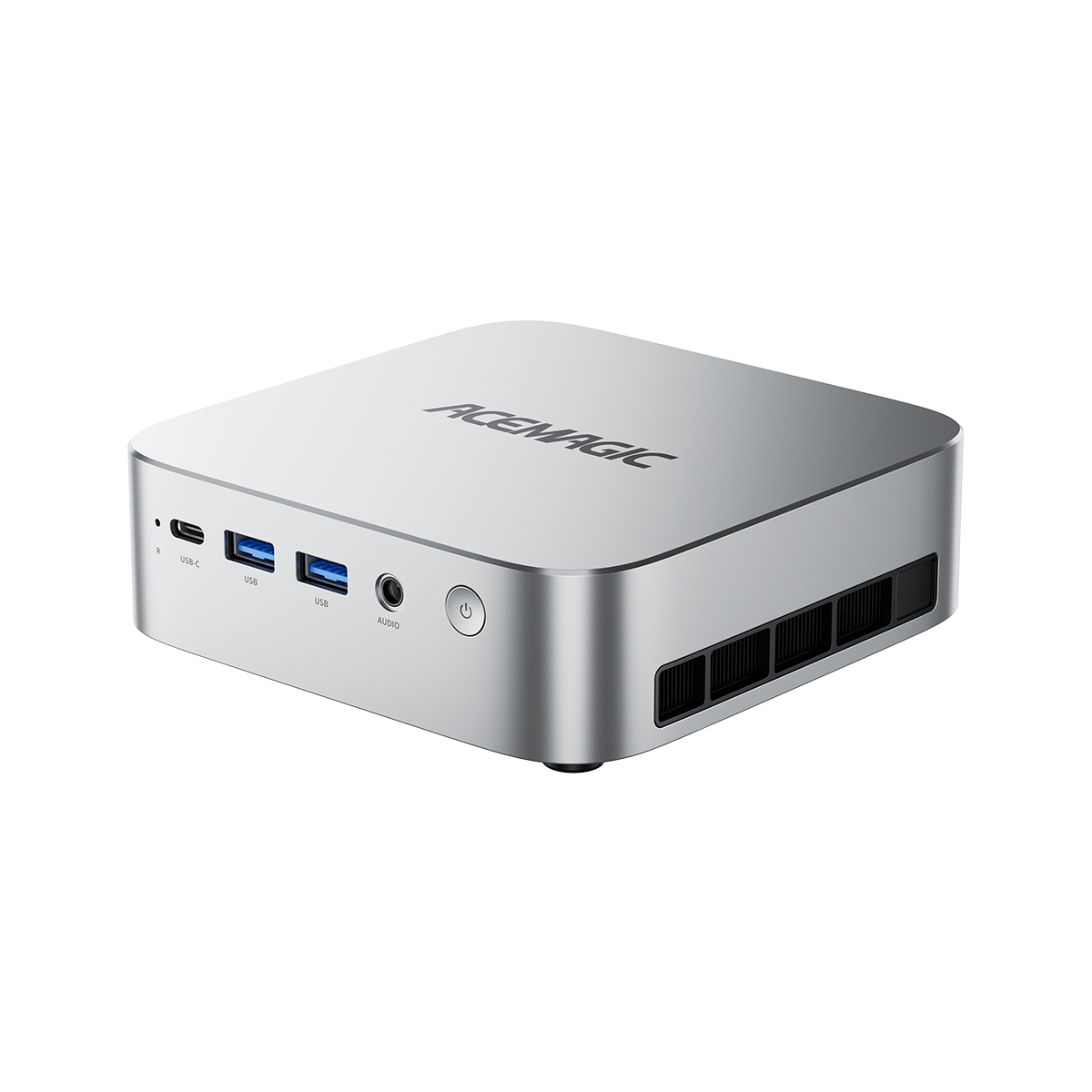
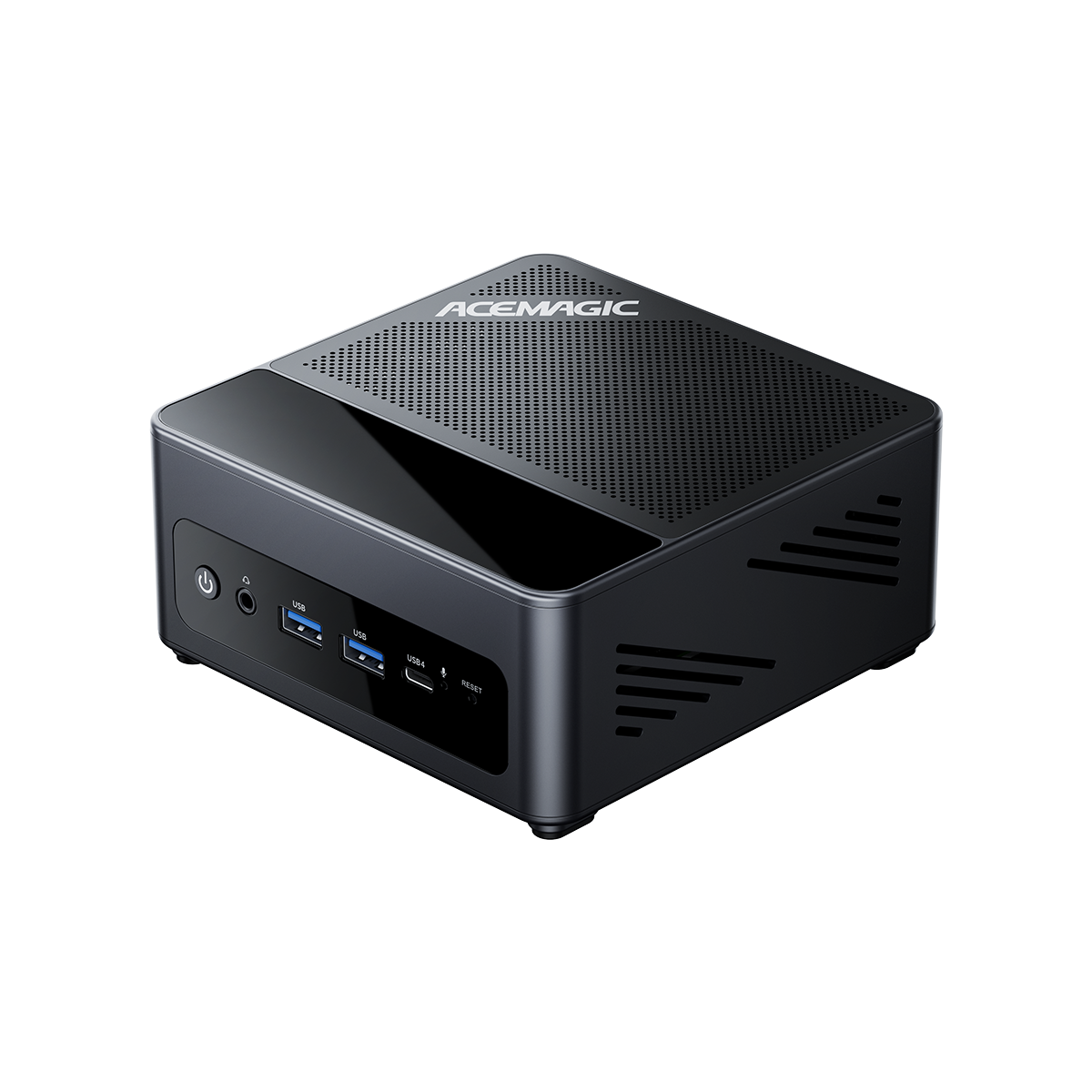
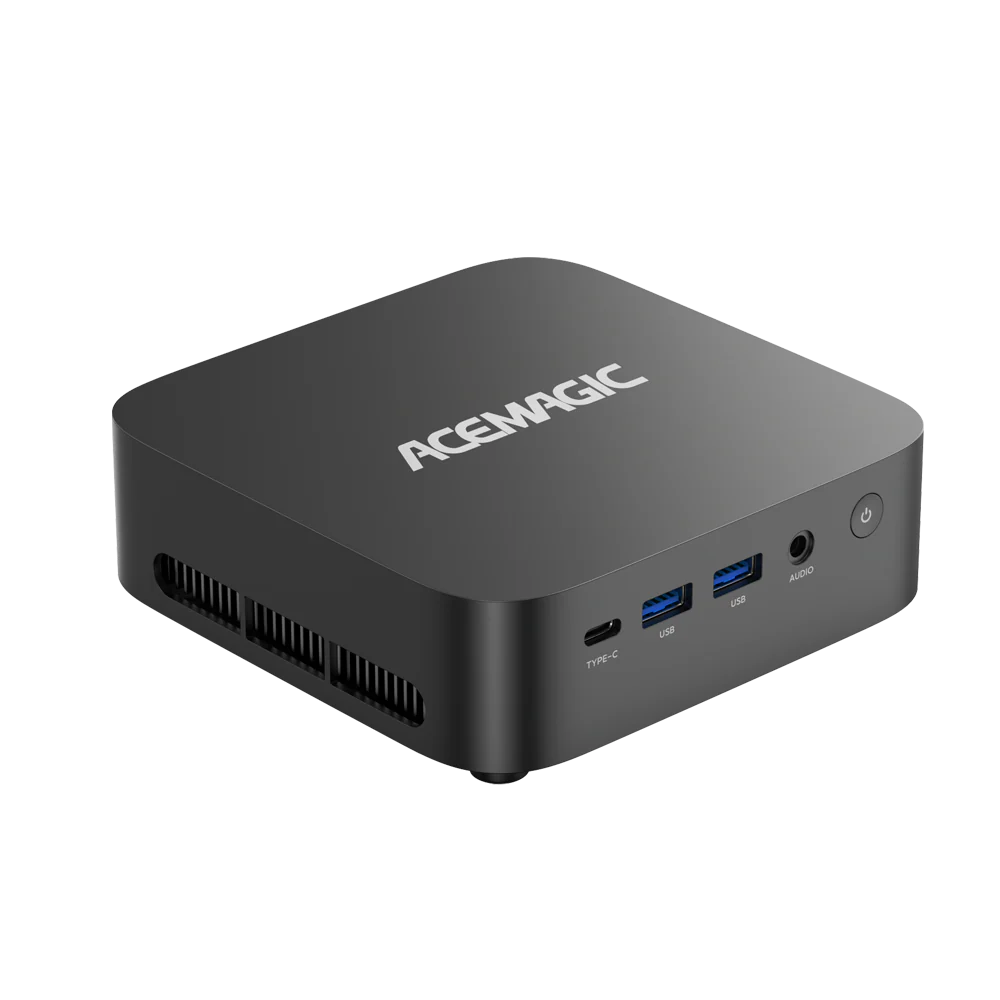
ACEMAGIC manufactures F5A Mini PCs with OCuLink ports built directly into the rear I/O panel. This allows users to connect an eGPU without opening the chassis or modifying internal hardware. Models like the ACEMAGIC F5A include this port alongside AMD Ryzen processors, providing the CPU compute power required to run a desktop GPU without processing bottlenecks.

ACEMAGIC F5A Ryzen AI 9 HX 470 Mini PC
Step into the future with faster, smarter, and more secure AI performance. Streamline workflows, boost productivity, and unlock creativity.
-
AMD Ryzen™ AI 9 HX 470 CPU
- Up to 65 W of performance
- Dual-fan cooling + VC heat spreader