
How the SAS vs SATA physical differences dictate your compact computer upgrades

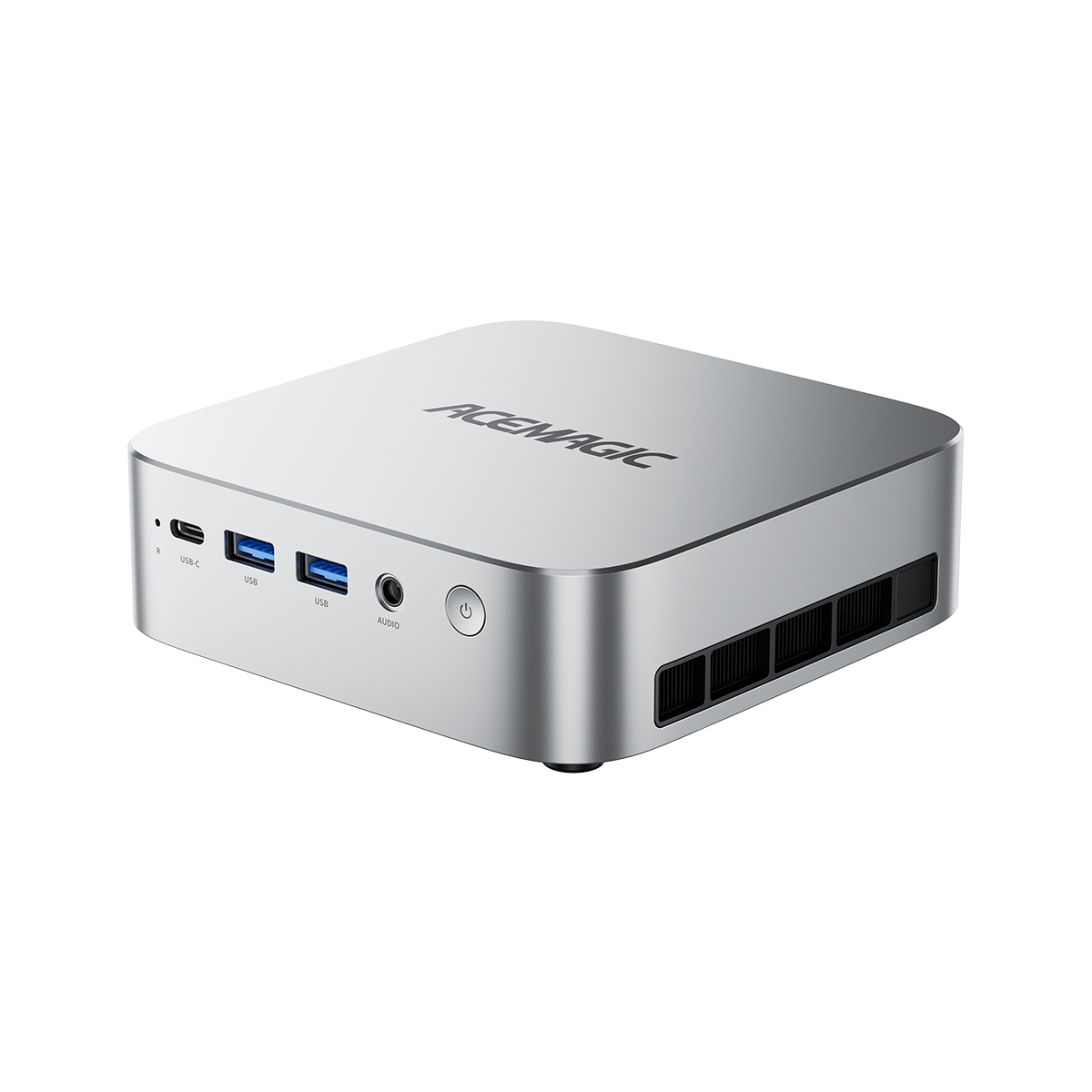
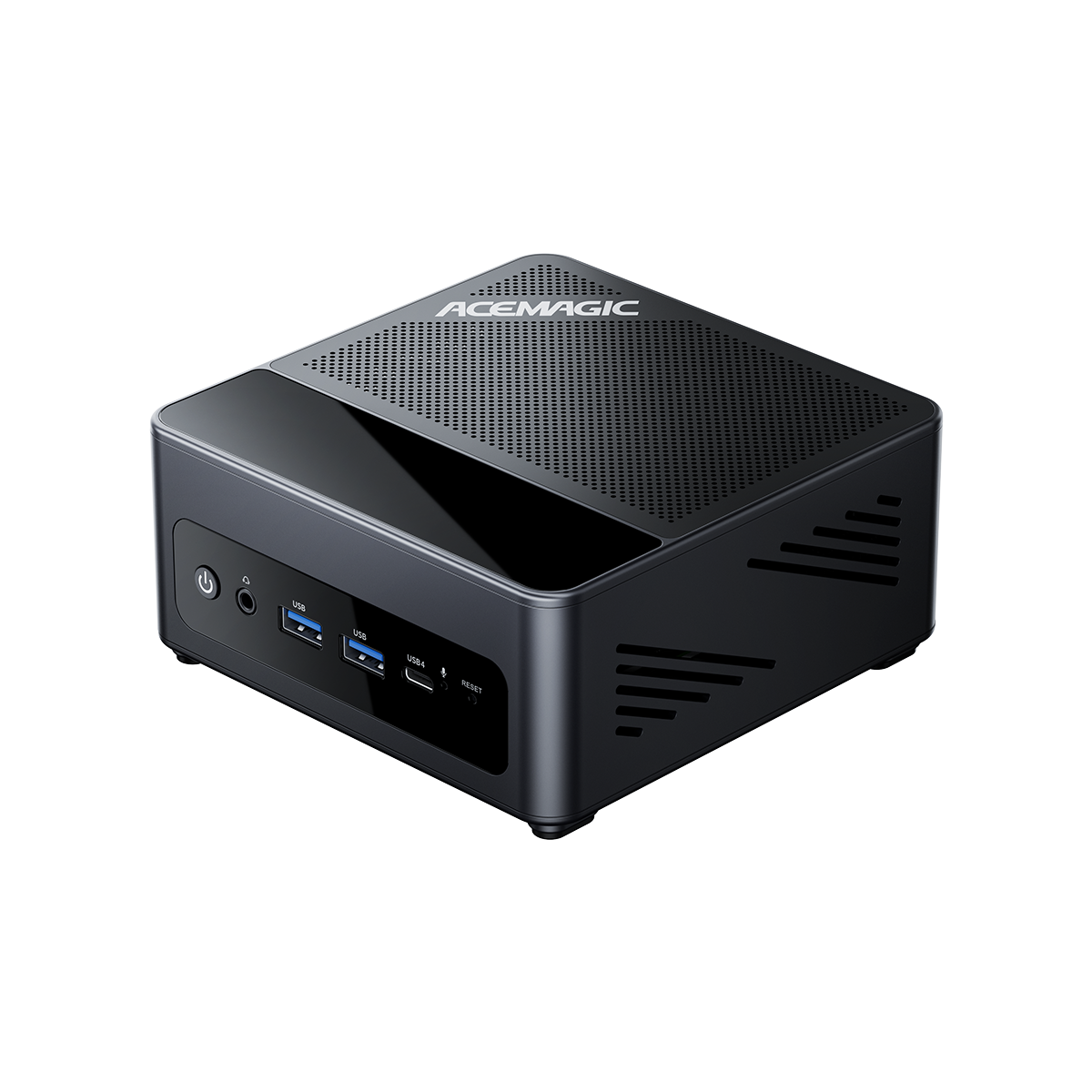
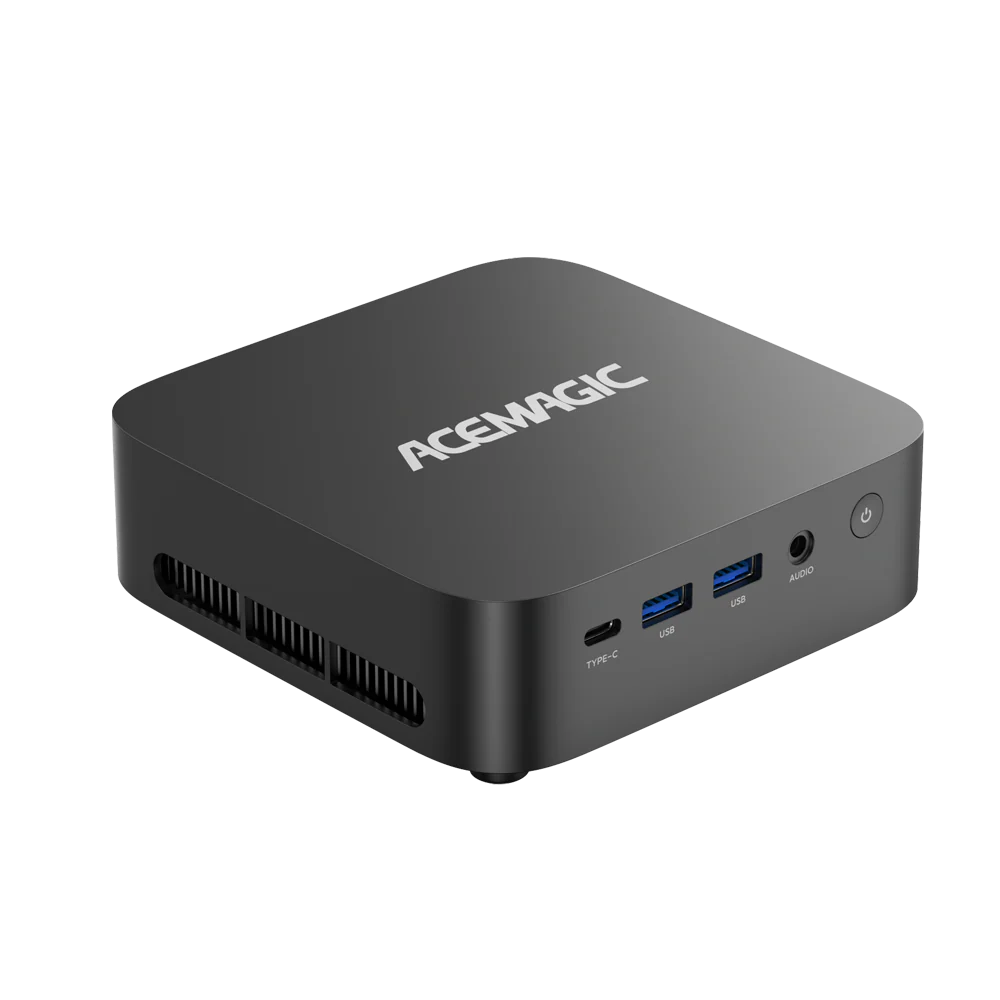
When evaluating SAS vs SATA storage options for your laptop or Mini PC, SATA drives offer the necessary thermal efficiency, compact z-height, and low power consumption required for mobile form factors. In contrast, SAS drives demand dedicated hardware controllers, higher voltage power delivery, and significant cooling infrastructure, making them physically impossible to install in everyday mobile computing devices.
When checking hardware specifications for a compact workstation, you may encounter these confusing storage acronyms. Understanding the SAS vs SATA physical dimensions and thermal limits of your electronics is a necessary first step before analyzing raw speed metrics or sequential read capabilities.
How physical constraints settle the SAS vs SATA debate
The physical design of an enterprise storage drive differs significantly from the consumer drives intended for your daily workstation. A direct SAS vs SATA hardware comparison reveals that engineers must account for the physical clearance within a compact chassis and the motherboard's ability to safely provide power.
SAS drives typically require 12 volts to operate their high-performance motors and enterprise logic boards. Your standard Mini PC or laptop motherboard is designed to supply only 5 volts to its internal 2.5-inch drive bays. Attempting to draw enterprise-level wattage from a mobile motherboard would immediately trigger a system shutdown or cause permanent hardware failure. Furthermore, high-capacity SAS drives feature a 15mm z-height clearance. Most modern laptops and small form factor systems released in recent years are engineered exclusively to accept 2.5-inch drives with a maximum thickness of 7mm.
The thermal dissipation requirements also present a critical engineering hurdle. SAS drives operate continuously at high RPMs, generating localized heat that a laptop cooling system cannot dissipate. Installing such a device in a compact chassis without dedicated airflow would quickly induce thermal throttling, degrading your overall system stability and accelerating battery life degradation.
| Specification | Typical 2.5" SATA Drive | Typical Enterprise SAS Drive |
| Operating Voltage | 5V | 5V and 12V |
| Z-Height Clearance | 7mm maximum | 15mm |
| Idle Power Draw | 0.5W - 1W | 5W - 8W |
| Operating Temperature | 0°C to 60°C | 5°C to 55°C (Requires active cooling) |
Why the SAS vs SATA performance gap ignores daily workloads
A common misconception in the SAS vs SATA comparison is that the faster theoretical bandwidth of an enterprise protocol translates directly to better performance for everyday computing tasks. Analyzing your actual daily workload reveals why this is mathematically incorrect for a home or office environment.
SAS utilizes full duplex communication, featuring bidirectional data streams that allow the controller to send and receive data simultaneously. This architecture is mandatory for a corporate database server processing thousands of concurrent requests. However, when you are running an operating system, browsing the web, or loading PC games, your system only requires sequential data loading.
SATA utilizes a half duplex protocol, where the drive must finish reading a file before it can write new data. In the context of your personal workstation, this is rarely a hardware bottleneck. Your CPU and RAM process single-user applications efficiently within the bandwidth limits of a standard SATA connection. The sequential read speeds of a modern consumer SATA drive are more than sufficient to saturate a 2.5GbE network connection or load large application assets without introducing noticeable latency.
Building a compact media server using external storage
If you are purchasing a small form factor system specifically to deploy a home media server, you can take advantage of the low idle power consumption of mobile processors. While internal SAS configurations are physically impossible, you can achieve massive storage capacity using alternative hardware pathways.
Rather than relying on internal motherboard connections, you should focus on external peripheral interfaces for your home lab environment.
- Connect a multi-bay external drive enclosure directly to your Mini PC using high-bandwidth USB or Thunderbolt protocols.
- Populate the external enclosure with high-capacity SATA NAS drives, which are designed for continuous operation but maintain significantly lower power requirements than enterprise SAS hardware.
- Utilize software-based storage pools or the enclosure's internal hardware controller to manage your data redundancy and backups.
- Leverage direct attached storage arrays if your workflow requires faster sequential read capabilities for large media files.
Choosing the right SAS vs SATA storage expansion path
When planning a hardware upgrade for your compact system, the physical constraints of the chassis remain your primary deciding factor. You must physically verify your internal motherboard clearance before purchasing any new storage medium.
If you are looking to increase the local storage of your mobile workstation, verifying the available 2.5-inch drive bays or M.2 NVMe slots is the correct engineering approach. We highly recommend reviewing Mini PCs designed with dual 2.5-inch drive bays if bulk data archiving is a priority for your workflow.
Ultimately, the SAS vs SATA decision is made for you by chassis limitations. Your consumer hardware relies entirely on SATA and NVMe protocols for optimal power efficiency and physical integration. You should ignore SAS specifications entirely when configuring your laptop or Mini PC, as those components belong exclusively within the air-conditioned racks of a corporate data center.
Further reading for storage upgrades
To continue optimizing your compact workstation and make the best hardware procurement decisions, explore our related engineering guides below.